The Death of Physical Loyalty
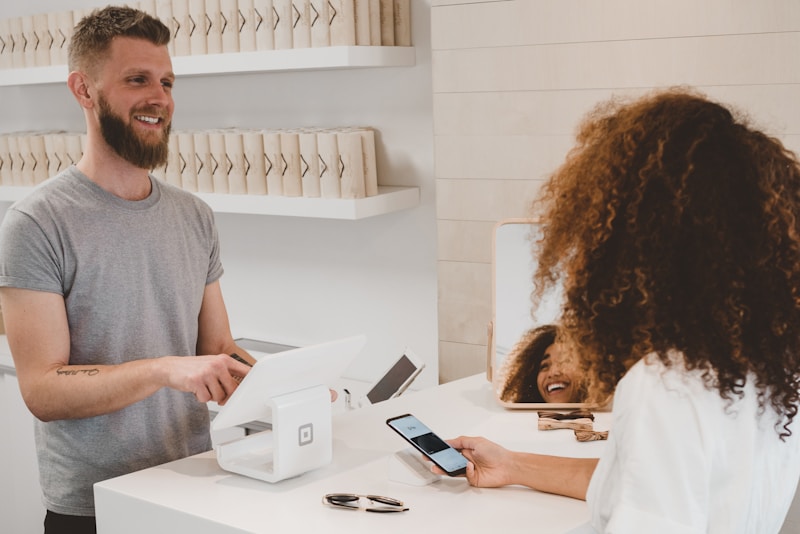
Walk into any major retailer and observe checkout lines. Notice how few customers present physical loyalty cards anymore. They tap phones, scan QR codes, or provide phone numbers—all digital interactions that happen in seconds without fumbling through wallets.
This digital migration accelerated dramatically during the COVID-19 pandemic but didn't reverse afterward. Consumers who adapted to contactless, app-based loyalty discovered it's simply better. No cards to carry, no receipts to save, no forms to fill out. Everything happens automatically, invisibly, effortlessly.
The data confirms what observation suggests. In 2020, roughly 60% of loyalty interactions were digital. By 2023, that reached 80%. In 2025, we've crossed 89%, and projections suggest 95% by 2027. Physical loyalty isn't evolving—it's vanishing.
Why Digital Won the Loyalty War
Digital dominance didn't happen by accident. It reflects fundamental advantages that make digital experiences objectively superior to physical alternatives.
Friction Elimination
Physical loyalty requires remembering cards, presenting them at purchase, and manually tracking balances. Each step creates friction—opportunities for users to forget, lose interest, or abandon participation.
Digital loyalty happens automatically. Apps detect location and present relevant offers. Purchases link to accounts without customer action. Balances update in real-time. Notifications remind users of opportunities. The program works for users rather than requiring users to work for it.
Platforms like Rewarders exemplify this frictionless approach—users complete activities, earn rewards, and track progress entirely through seamless digital interfaces without physical touchpoints creating abandonment risk.
Personalization at Scale
Physical programs treat all members identically. Everyone receives the same coupons, same offers, same experience. Digital programs personalize everything—recommended products, targeted promotions, customized challenges—based on individual behavior patterns.
This personalization creates dramatically higher engagement. Generic offers generate single-digit response rates. Personalized offers based on purchase history convert at 20-30%. The difference is profound enough to justify digital transformation purely on conversion impact.
Real-Time Capabilities
Physical loyalty operates on delayed cycles. Earn points today, receive statement next month, plan redemption eventually. This delay disconnects actions from rewards, weakening psychological impact.
Digital loyalty happens instantly. Complete purchase, watch points add immediately. Reach threshold, receive instant redemption notification. Redeem rewards, see balance update in real-time. This immediacy reinforces the behavior-reward connection that drives conditioning.
Data-Driven Optimization
Physical programs generate minimal actionable data. Digital programs capture everything—which offers get opened, which products get viewed, which paths lead to purchases, which times generate highest engagement.
This data enables continuous optimization impossible with physical programs. A/B test offer presentations. Analyze redemption patterns. Identify high-value customer segments. Predict churn risk. Digital loyalty becomes smarter over time while physical programs remain static.
The Mobile-First Reality
Within the digital loyalty category, mobile dominates overwhelmingly. Over 78% of digital loyalty interactions happen on smartphones rather than desktop computers. This reflects broader consumer behavior—mobile devices are the primary internet access point for most people.
Always-Available Engagement
Desktop computers require being home or at work. Mobile devices stay in pockets all day. This constant availability enables engagement whenever inspiration strikes—walking past a store triggers a check for offers, waiting in line becomes reward browsing time, commuting becomes optimal notification reading opportunity.
Programs designed mobile-first leverage this availability through contextual engagement. Location-triggered notifications when near participating stores. Time-based offers during typical shopping hours. Idle-time challenges when the app detects non-engagement periods.
Push Notifications as Engagement Engine
Mobile enables direct communication through push notifications—the most effective engagement channel for loyalty programs. Well-crafted push notifications generate 20-30% open rates, vastly exceeding email's 2-5%.
Effective loyalty programs use push strategically. Point milestones trigger celebratory notifications. Expiring rewards generate urgency reminders. Personalized challenges create targeted engagement. New reward availability drives redemption traffic.
The key is balance. Too many notifications create annoyance and opt-outs. Too few reduce engagement. Optimal frequency typically falls around 2-4 notifications weekly, with higher frequency acceptable for high-value members actively engaging.
Mobile Wallet Integration
Apple Wallet and Google Pay enable loyalty cards to live alongside payment methods, creating seamless single-tap experiences. Customers pull out phones to pay and automatically apply loyalty in one motion.
Wallet integration removes the last friction point—having to open a separate app. The loyalty card appears automatically at point of sale, requiring zero additional action. This passive activation generates dramatically higher consistent usage than app-dependent programs.
Programs supporting wallet integration show 40-60% higher transaction capture rates than app-only programs. The difference between requiring app opening versus automatic presentation determines whether customers use the program every transaction or only when they remember.
Omnichannel Integration: Digital-First Doesn't Mean Digital-Only
Digital-first doesn't mean abandoning physical retail—it means ensuring digital and physical channels work together seamlessly.
Online-to-Offline Bridging
Digital programs drive physical store traffic through location-based offers, store-specific promotions, and in-store pickup incentives. The app becomes the bridge connecting digital browsing to physical purchasing.
Buy online, earn points, redeem in-store. Browse app, find offers, use at register. Complete mobile challenge, claim reward physically. Each interaction type combines digital and physical touchpoints without friction.
Offline-to-Online Attribution
Physical purchases must credit properly to digital accounts automatically. QR code scans, phone number lookups, or NFC taps at point-of-sale ensure every transaction counts regardless of where it occurs.
Programs failing this integration frustrate customers who discover their physical purchases didn't earn points or their online redemptions don't work in stores. Seamless omnichannel operation is table stakes, not a premium feature.
Unified Customer View
Backend systems must maintain single customer records consolidating all digital and physical interactions. Fragmenting customers across channel-specific databases creates inconsistent experiences and prevents comprehensive personalization.
A customer who shops online twice weekly and in-store monthly should see one unified purchase history, point balance, and recommendation engine considering all behavior. Channel separation is an internal technical detail that should never surface to users.
Building Digital-First Loyalty Programs
Creating effective digital-first programs requires different approaches than retrofitting digital features onto physical programs.
Start with Mobile UX Design
Don't build desktop experiences and shrink them to mobile. Design for mobile first, ensuring every feature works beautifully on small screens with touch interfaces. Desktop versions can add capability but mobile must be complete.
This means large touch targets, minimal text entry, vertical scrolling layouts, and offline functionality for poor connectivity situations. Test on actual devices obsessively—what looks good in emulators often fails on real phones in real conditions.
API-First Architecture
Digital-first programs need flexible architectures enabling multiple touchpoints—mobile apps, websites, smart speakers, chatbots, point-of-sale systems—all accessing the same loyalty engine.
API-first design creates this flexibility. A robust API layer exposes all loyalty functionality—earning points, checking balances, redeeming rewards, viewing history—that any interface can consume. This enables launching new touchpoints without rebuilding core systems.
Similar to how passwordless authentication systems use APIs to enable authentication across multiple platforms, loyalty programs benefit from centralized API-based architecture supporting diverse integration points.
Real-Time Data Infrastructure
Digital expectations include instant updates. Points earned should appear immediately, not after nightly batch processing. Thresholds reached should trigger instant notifications, not eventual emails. Redemptions should update balances in real-time.
This requires infrastructure supporting real-time data processing rather than batch updates. Event-driven architectures, streaming data pipelines, and cached data layers enable the responsiveness users expect.
Progressive Web Apps vs Native Apps
The mobile app decision involves choosing between native apps (iOS/Android specific) and progressive web apps (web-based but app-like). Each offers distinct tradeoffs.
Native apps provide best performance, offline functionality, and platform integration (push notifications, wallet access). But they require separate development for iOS and Android, app store approval, and user willingness to download.
Progressive web apps work on all devices from one codebase, require no downloads, and update instantly. But they have limited offline capability and reduced OS integration compared to native apps.
Most successful programs use both—PWAs for acquisition (no download barrier) and native apps for retention (better functionality for engaged users). The PWA provides entry point, the native app provides depth for committed members.
Digital Loyalty Metrics That Matter
Digital programs enable measurement far beyond what physical programs allowed. Track the metrics that actually predict success.
Active User Rate
Total member count means nothing if most never engage. Active user rate—percentage of members with activity in the last 30 days—indicates genuine program health better than enrollment numbers.
Strong digital programs maintain 40-60% monthly active rates. Declining active rates signal engagement problems requiring intervention before they become churn.
Session Frequency and Duration
How often do users open the app and how long do they stay? Higher frequency and longer sessions indicate compelling value. Declining trends suggest content staleness or missing features users want.
Benchmark session metrics against industry standards for your category. Retail loyalty apps average 8-12 sessions monthly with 3-5 minute durations. Financial services loyalty programs see lower frequency but longer sessions. Know your category norms and track against them.
Feature Adoption Rates
Which program features actually get used? Which go ignored? Feature adoption metrics reveal what members value versus what seemed good in planning but fails in practice.
Low adoption on expensive features indicates misalignment between program design and member needs. High adoption on cheap features suggests opportunities to expand those capabilities. Let usage data guide development priorities.
Redemption Velocity
How quickly do members redeem rewards after earning them? Immediate redemption indicates the rewards provide genuine value. Long delays suggest rewards don't excite members enough to bother claiming.
Digital programs can track exact time-to-redemption and analyze patterns. Perhaps high-value rewards sit unclaimed because thresholds feel unreachable. Perhaps certain reward categories redeem instantly while others languish. These patterns inform reward catalog optimization.
Privacy and Security in Digital Loyalty
Digital programs collect vastly more data than physical predecessors. This data enables personalization but creates privacy obligations and security risks.
Transparent Data Practices
Users increasingly demand to know what data you collect and how you use it. Privacy policies written in legal language don't satisfy this need—clear, plain-language explanations do.
Explain what data collection enables which features. "We track purchase history to recommend products you'll like." "We use location to show nearby store offers." Connecting data use to user benefit builds understanding and acceptance.
Security as Fundamental Requirement
Loyalty accounts contain value—both existing points and linked payment methods. This makes them attractive targets for account takeover attacks.
Strong authentication, fraud detection, and breach prevention aren't optional. Implement two-factor authentication for high-value actions. Monitor for suspicious access patterns. Encrypt data at rest and in transit. One major breach destroys trust that takes years to rebuild.
Similar to how behavioral biometrics in rCAPTCHA detect suspicious patterns, loyalty programs should implement fraud detection analyzing unusual behavior—account access from new locations, rapid point accrual, abnormal redemption patterns.
Opt-In Philosophy
Give users control over data sharing, communication preferences, and feature participation. Opt-in rather than opt-out shows respect for user autonomy and builds trust.
Users who actively choose features engage more authentically than those defaulted into them. Voluntary participation indicates genuine interest that predicts sustained engagement.
The Competitive Advantage of Digital Excellence
Digital-first isn't just about matching competitor capabilities—it's about creating experiences that become competitive moats.
Data Accumulation Compounds
Digital programs become smarter over time as data accumulates. Year one personalization is crude. Year three personalization is sophisticated. Year five becomes genuinely predictive.
Competitors starting digital programs today begin from zero data. Programs with years of behavioral data have compounding advantages in recommendation accuracy, churn prediction, and offer optimization. This data moat widens with time.
Network Effects Through Social Features
Digital programs easily integrate social features—leaderboards, referrals, team challenges. These create network effects where each additional member makes the program more valuable to existing members.
Physical programs couldn't leverage these dynamics effectively. Digital programs make social engagement core to the experience, creating viral growth and retention effects competitors without social integration can't match.
Continuous Improvement Velocity
Digital programs update weekly or daily, adding features, fixing issues, and optimizing experiences based on user feedback. Physical programs update annually at best.
This velocity difference means digital-first programs pull ahead rapidly. Competitors stuck in annual update cycles fall further behind each quarter as nimble digital programs compound improvements.
Common Digital Transformation Mistakes
Many organizations attempt digital transformation but stumble through predictable errors.
Digitizing Physical Processes
Taking existing physical processes and making them digital misses the transformation opportunity. Don't create digital punch cards or PDF coupons. Reimagine the entire experience for digital capabilities.
Ask not "how do we digitize our existing program" but "if we designed this program from scratch for mobile-first digital interaction, what would we build?" The answers differ dramatically.
Underestimating Mobile Complexity
Mobile apps seem simple when using them. Building excellent mobile experiences is extraordinarily complex. Budget and timeline accordingly.
Factor in iOS and Android platform differences, device fragmentation, OS version compatibility, offline functionality, push notification configuration, and app store approval processes. Mobile development takes 2-3x longer than equivalent web development.
Launching Without Integration
Launching digital programs that don't integrate with point-of-sale, e-commerce platforms, CRM systems, or marketing automation creates data silos undermining the entire value proposition.
Integration should happen before launch, not as post-launch enhancement. A digital program that doesn't accurately track transactions or can't trigger personalized communications fails regardless of UI quality.
The Future: Invisible Loyalty
The next evolution of digital loyalty is disappearing user-facing complexity entirely. Programs will operate invisibly in the background, automatically applying benefits without requiring active management.
Imagine walking into a store. Your phone detects presence and surfaces relevant offers in notification. You shop and check out. Payment and loyalty apply automatically. Points appear in your account. When you reach redemption thresholds, suggested rewards appear based on your preferences. You tap to redeem. Done.
No app opening. No card presenting. No manual tracking. The program works for you rather than requiring you to work for it. This invisible loyalty represents the ultimate friction reduction—participation becomes automatic rather than intentional.
Conclusion: Digital Is the Only Strategy
When 89% of interactions occur digitally, calling digital a "channel" misses reality. Digital is the program. Physical is the channel.
Organizations still debating whether to invest in digital transformation have already lost years to competitors who started earlier. The question isn't "should we go digital" but "how quickly can we catch up."
The good news: digital transformation is possible for organizations at any stage. Cloud platforms, SaaS loyalty providers, and mobile development agencies reduce barriers to entry. The technology exists and continues improving.
The challenge is commitment. Half-hearted digital add-ons to fundamentally physical programs fail. Successful digital transformation requires reimagining loyalty entirely for mobile-first, data-driven, real-time digital interaction.
The 11% of interactions still happening physically will continue declining. Programs optimized for that diminishing minority will shrink with it. Programs built for digital dominance will capture the 89% and growing share of customer engagement. The choice is clear. The time to choose was yesterday. The second-best time is now.
Explore Our Network
Part of the Journaleus Network